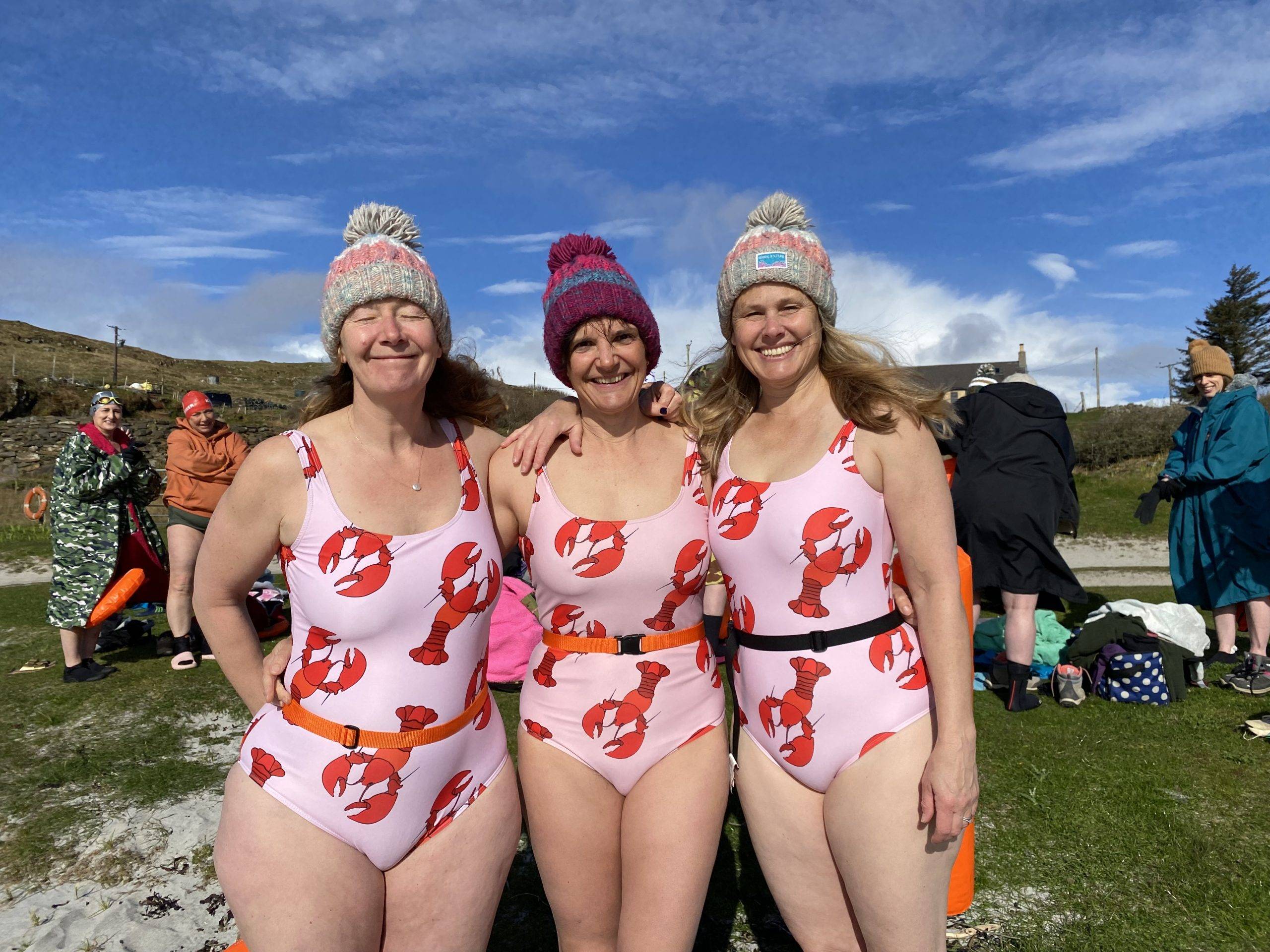
How do I start cold water swimming?
A beginner’s guide
Wild swimming in the UK is continuing to grow in popularity. There is more and more information out there about the benefits of swimming outdoors, specifically in cold water – improved mental health, boosted circulation, and a sense of unparalleled euphoria – but how do you actually start? This guide will walk you through everything you need to know before you take the plunge.
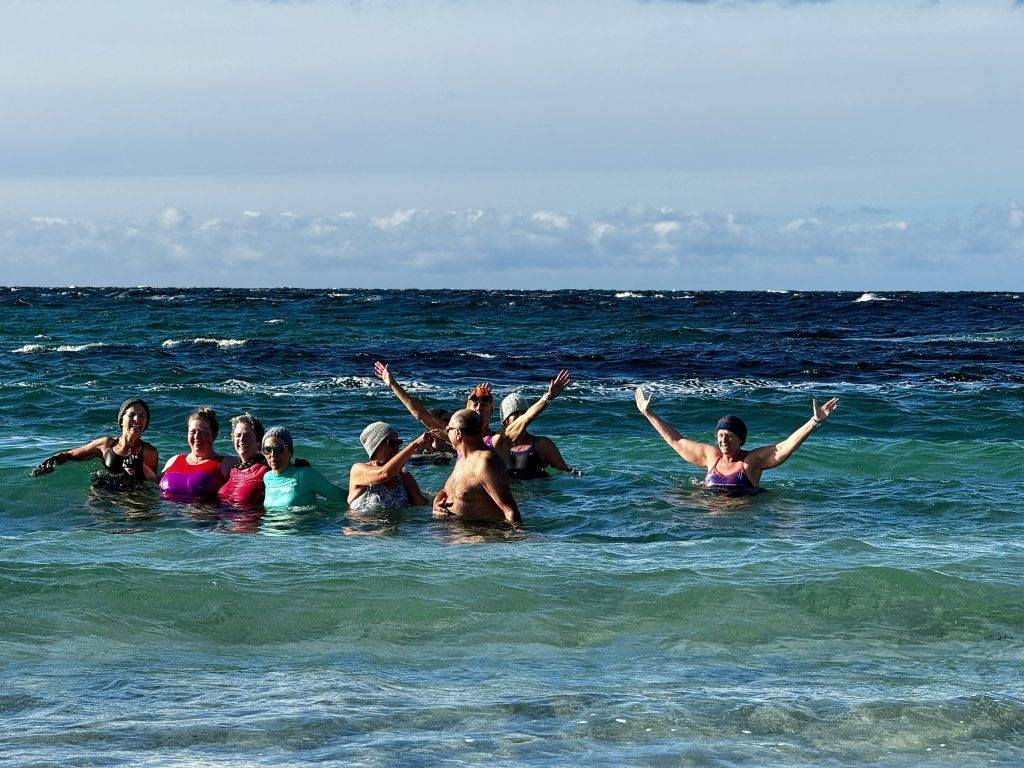
How to Start
Signing up for a cold water induction at your local lido is a great first step. Many lidos now maintain cooler temperatures during the winter months to cater to the growing community of cold water enthusiasts. Lidos provide a safe, structured environment with shallow depths and walls for support, making them an ideal starting point.
If you don’t have a lido nearby, find a local outdoor swimming group. Experienced cold water swimmers know the conditions and safety precautions, making your first experience safer and more enjoyable. Always prioritise safety and go to venues with proper safety cover and/or knowledgeable companions.
If you have a health condition like asthma or a heart issue, consult your GP before trying cold water swimming.
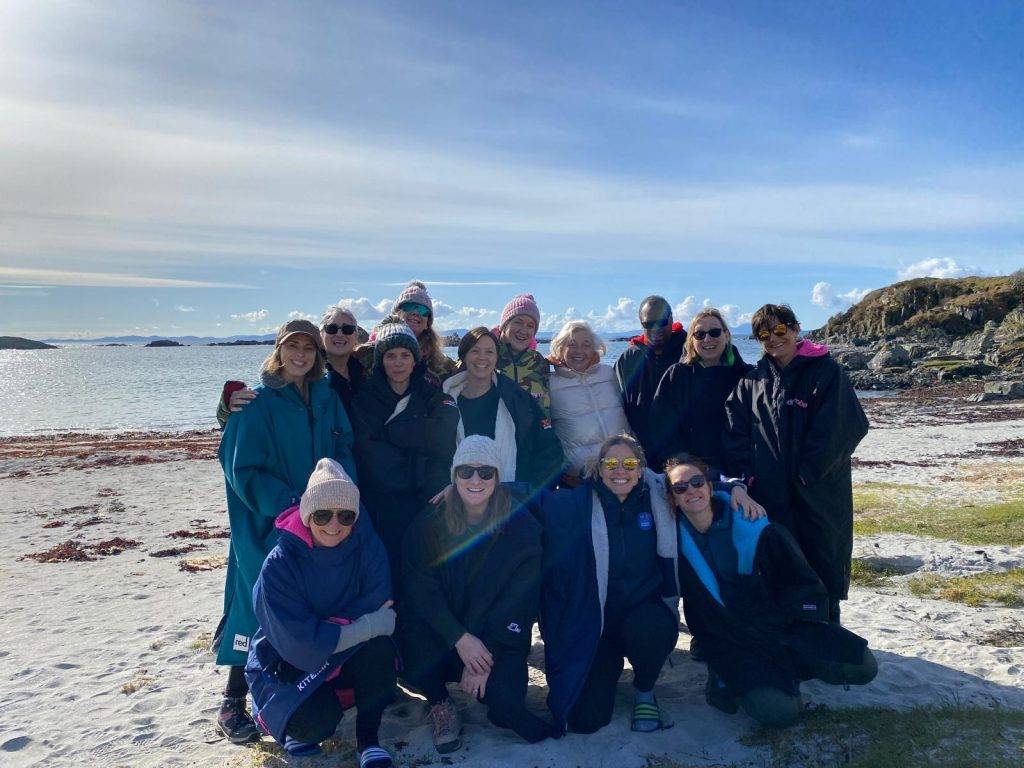
What to Wear
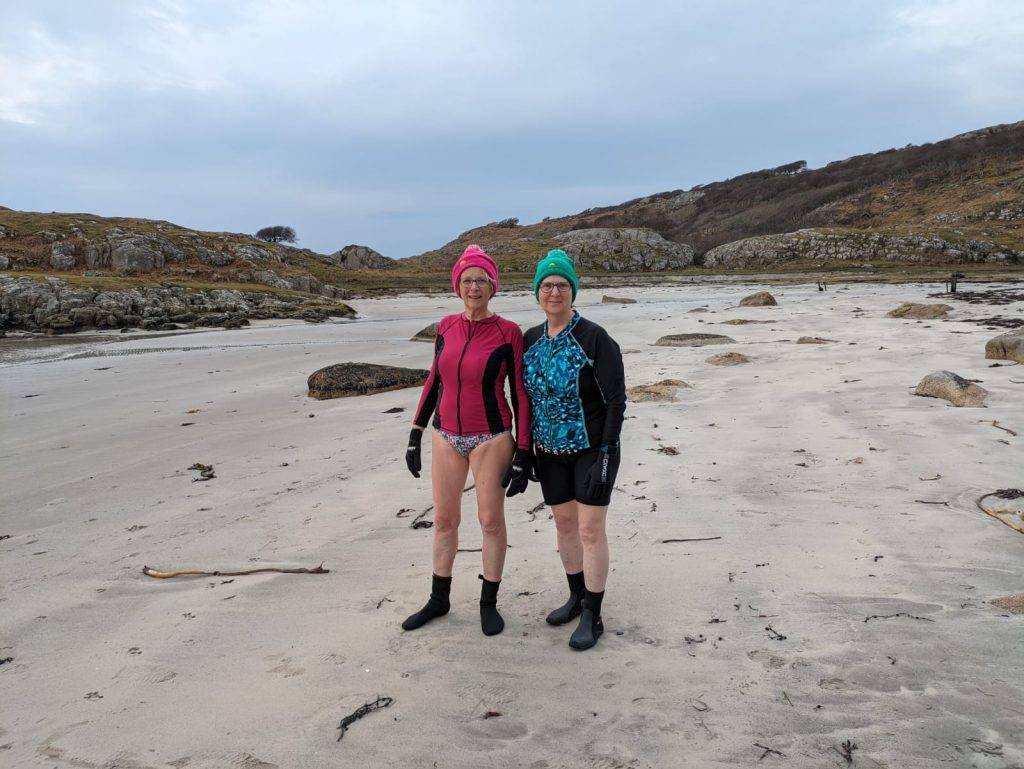
The beauty of cold water swimming lies in its simplicity – you don’t need much to get started. Here are the essentials:
- Swimwear: A basic swimsuit is all you need.
- Woolly hat: This is a game-changer! Since we lose most of our body heat through our head, a hat worn in the water will help keep you warm.
- Optional extras:
- Gloves and socks (cotton ones from home are fine to start with) for extra warmth.
- Rash vests, t-shirts, or wetsuits if you’re self-conscious or want added insulation.
- A changing robe for post-swim warmth – your dressing gown will do for now though if you’re not ready to invest.
What matters most is that you wear what makes you comfortable. Everyone’s tolerance for cold differs, so listen to your body and choose what works for you.
At the Venue
Do your own risk assessment
- Is there safe access in and out of the water?
- Do the conditions feel right? If not, don’t push it – there’s always another day.
Be prepared
- Lay your clothes out in the order you’ll put them on after your swim.
- Keep your clothes warm by wrapping them around a hot water bottle.
- Stand on a mat to insulate your feet from the cold ground.
- Stay warm before getting in – strip down at the last moment.

Getting In
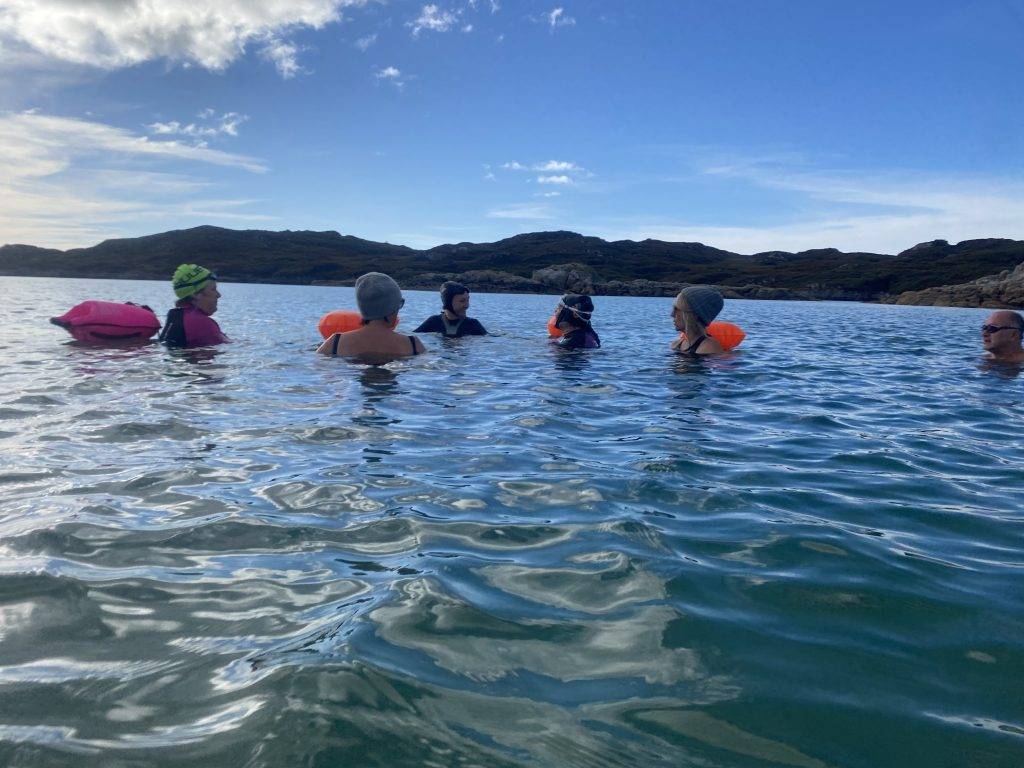
Take your time and stay calm
- Walk in purposefully and let your body acclimatise for 2-3 minutes.
- Breathe steadily; an initial gasp or rapid breathing is normal.
- Keep your head above water until your breathing stabilises.
- Splash water on your face and neck to minimise cold water shock.
- Swim at a steady pace – cold water slows your muscles and increases your heart rate, so go easy.
Getting Out
Knowing when to exit the water is critical. Listen to your body:
- First stage (skin cooling): Tingling and numbness in your skin are normal signs your body is redirecting warm blood to your core.
- Second stage (muscles cooling): If your muscles feel heavy, your hands claw, or you struggle to talk, it’s time to think about getting out. Be cautious in open water – float and signal for help if needed.
- Third stage (core cooling): Uncontrollable shivering, confusion, or changes in your swimming stroke indicate your core temperature is dropping. Get out immediately.
Post-Swim Recovery
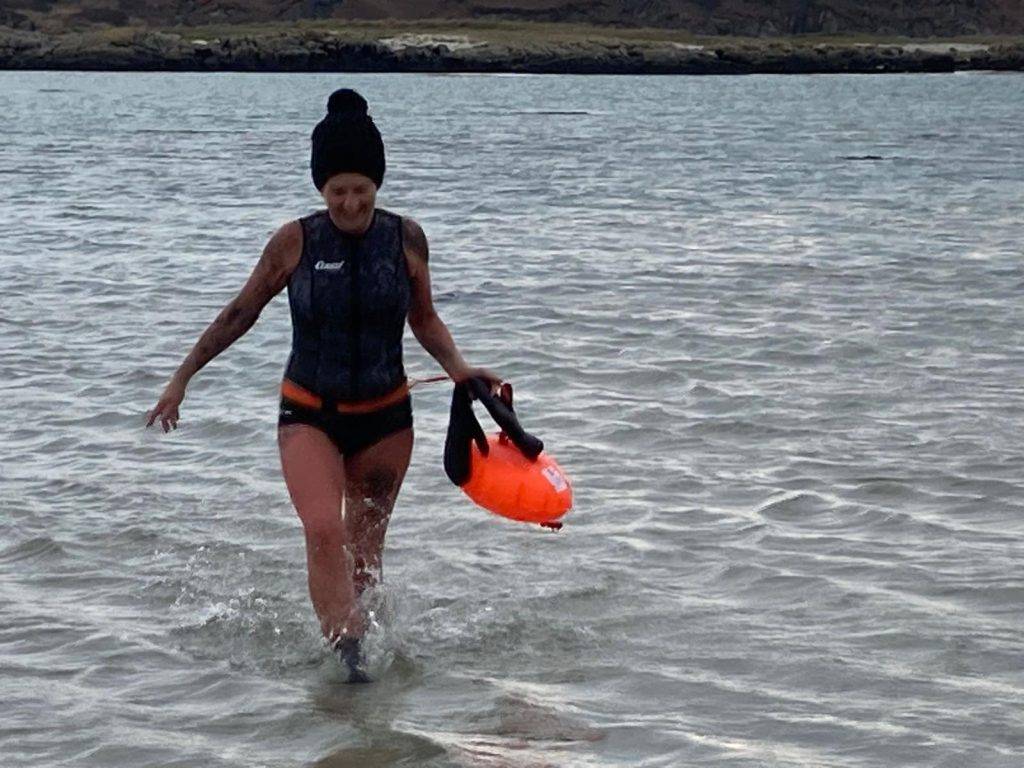
Once out of the water, your body will continue to cool, so prioritise rewarming:
- Remove wet clothing quickly and layer up:
- Top half: Start with a vest, then a long-sleeve thermal, followed by a hoodie or sweatshirt.
- Bottom half: Thermal tracksuit bottoms work best; avoid tight leggings or loose joggers. Tuck bottoms into woolly socks for added warmth.
- Footwear: Slippers, woolly boots, or crocs and woolly socks will keep your feet toasty.
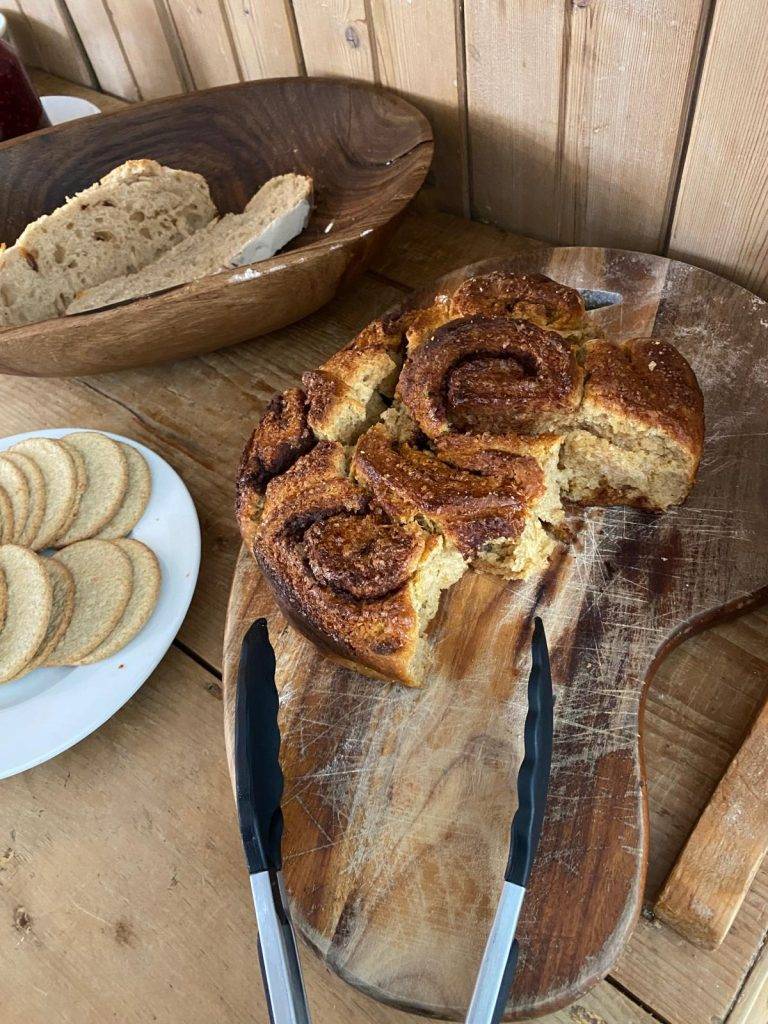
- Rehydrate and refuel:
- Warm drinks (avoid caffeine) and a high-energy snack like hot milk with cacao and protein powder will replenish your energy and keep your blood sugar stable.
- Stay hydrated – cold water swimming increases the need to pee, so replacing fluids is essential.
- Avoid a hot shower immediately after your swim; this can cause a sudden drop in blood pressure. Wait until you’ve warmed up naturally before hopping in.
Final Thoughts
Cold water swimming is as much about preparation as it is about plunging in. With the right gear, a bit of planning, and a focus on safety, you’ll be well on your way to reaping the benefits yourself. Embrace the challenge, listen to your body, and enjoy!
We offer wild dipping and swimming retreats on the stunning Isles of Mull and Iona in the Inner Hebrides. For more information and to book go to: www.wildhebrideanswimming.com/retreats