

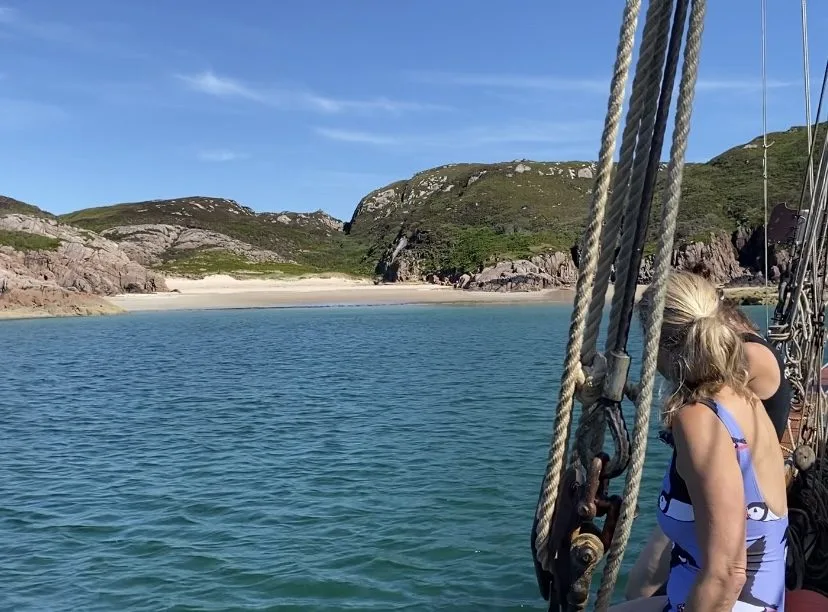
How I actually got into cold water swimming
(it isn’t what you’d expect)
People might assume that if you run cold water swimming retreats in the Hebrides, you must have always loved the cold; that there was some moment where you felt drawn to icy seas and just threw yourself in. That wasn’t the case for me at all.
The truth is much simpler. I live in Scotland and if you want to swim here, the water is cold. But swimming in a landscape, shaped by volcanic activity over 60 million years ago, was something I couldn’t resist. I didn’t want to just look at it, I wanted to be immersed in it.
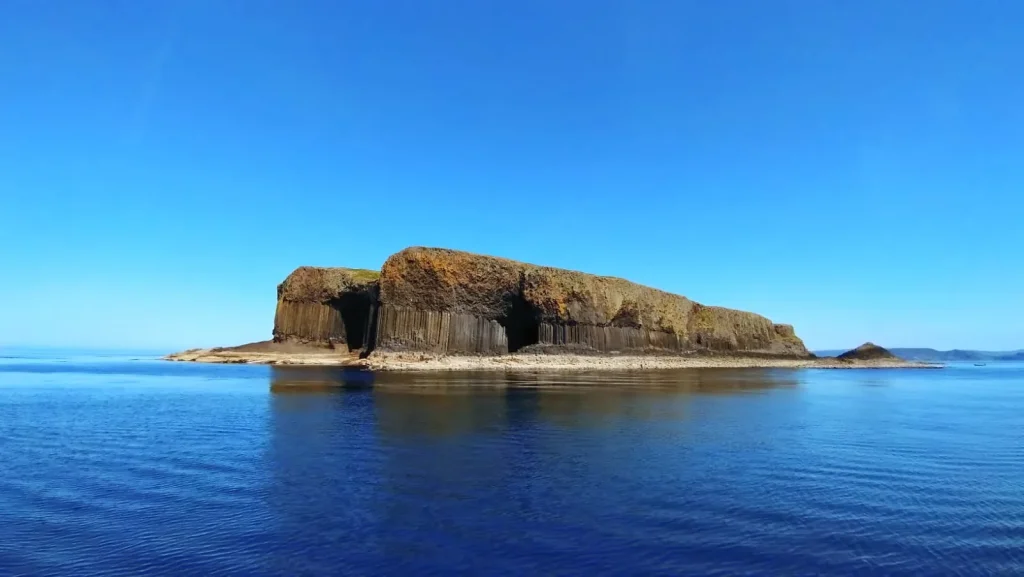 Staffa
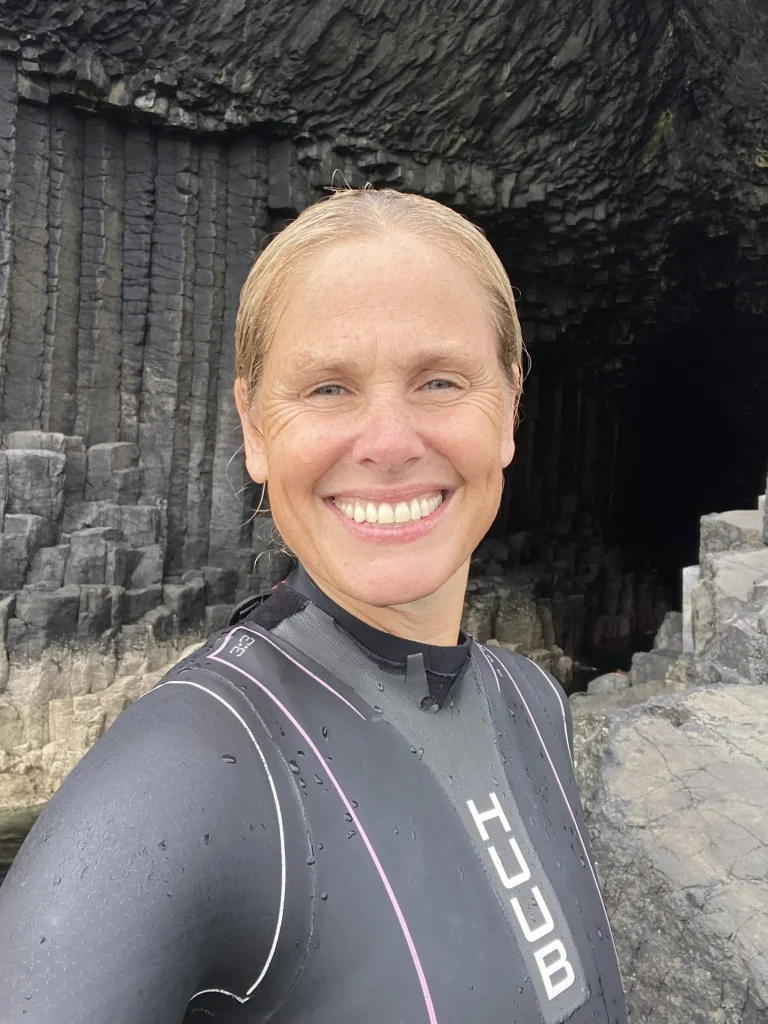 Fingal’s Cave
My first love has always been swimming, preferably underwater, exploring. But it’s difficult to do that year round in Scotland. I’ve tried and the brain freeze is hellish. So I had to adapt and accept that short dips were more realistic in the colder months. At first I felt like I was cheating by not setting myself a distance to do or a time to do it in. But then I found a sense of liberation – you give yourself licence to just be still.
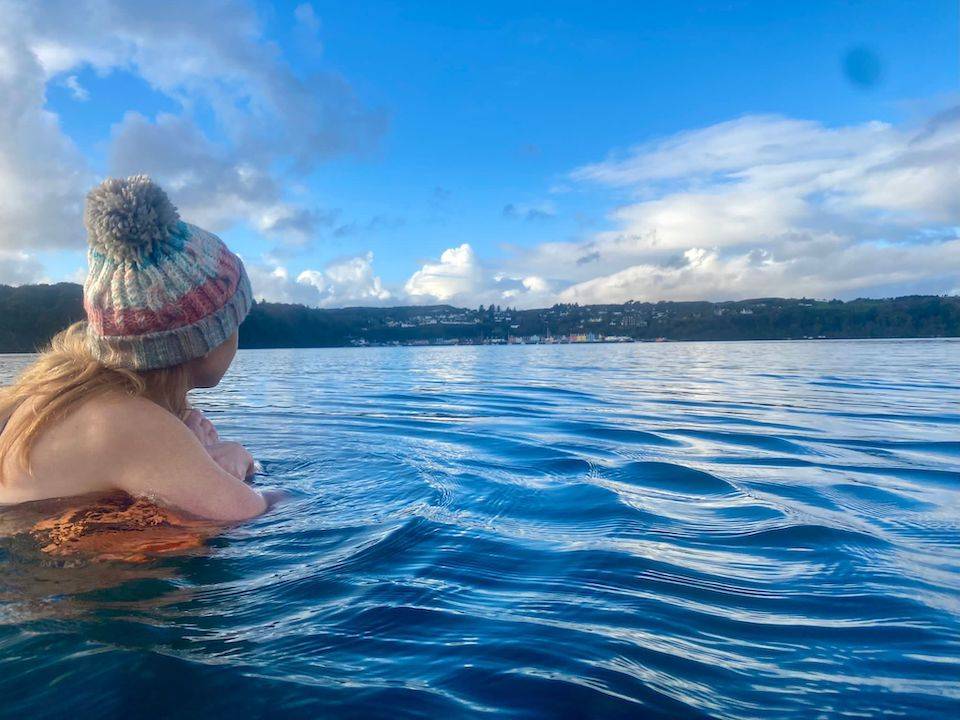 Tobermory from Aros
And the retreats I run reflect that same journey. You don’t have to be one or the other.
One of the things I find myself saying to people is that regular cold water swimmers don’t have a special skill that allows them to tolerate the cold better than anyone else. There’s no magic switch.
What changes isn’t the cold – it’s your experience of it. The initial shock doesn’t disappear but the anxiety around it does. Because you’ve done it before. You know that the rapid breathing will settle. You know that the discomfort passes after a couple of minutes. And you know that the feeling afterwards – that clarity, that calm, that euphoria – is worth it.
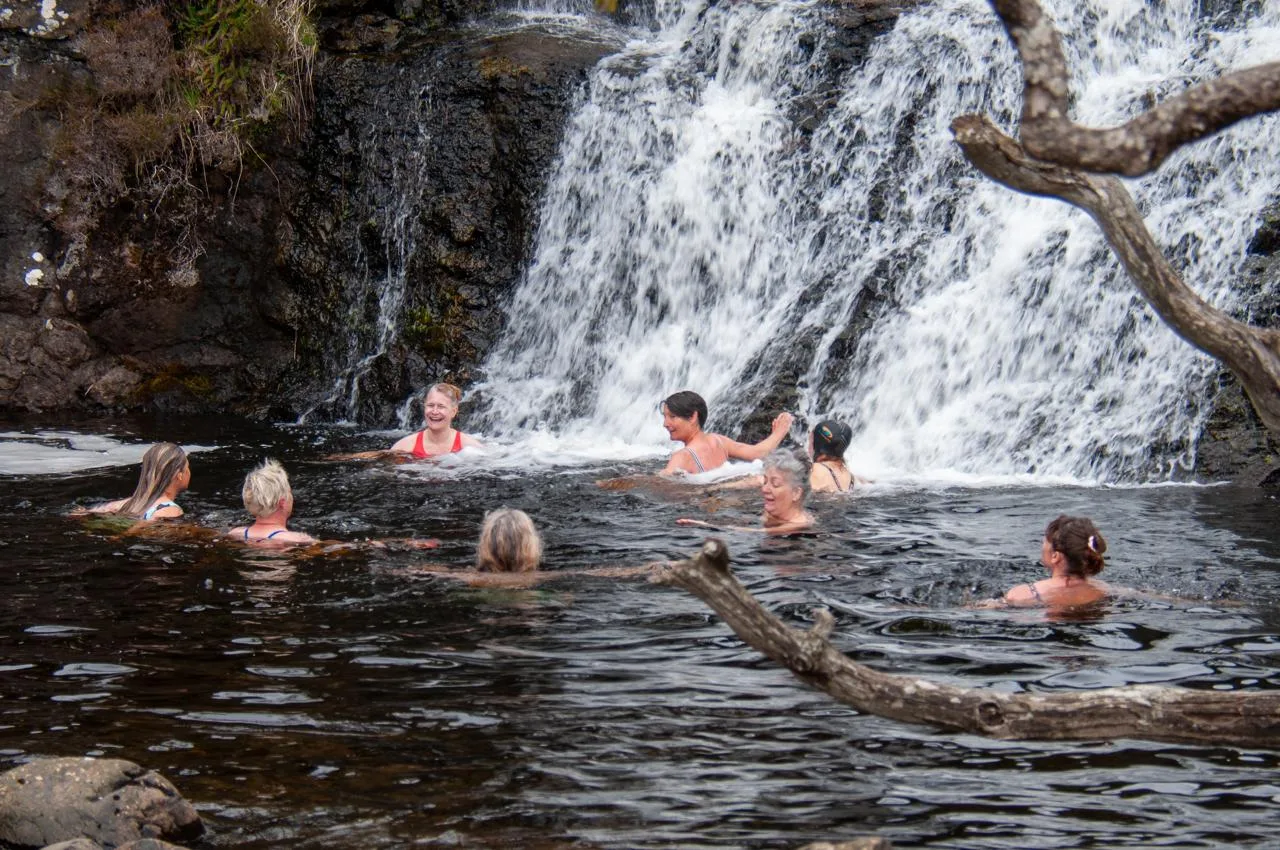 Eas Fors Waterfall
Understanding what’s happening in your body makes a huge difference too. The initial gasp, the quick breathing, the tingling – these aren’t signs that something is wrong. They’re natural, protective responses. Your body is doing exactly what it’s meant to do to keep you safe. Once you know that, it becomes far less frightening.
Alot of the fear people feel isn’t just about the sea itself – it’s the unknowns. How will I feel? What happens if seaweed brushes my feet? What dangers lurk below? In Scotland, there aren’t any dangers lurking in the deep. But your brain doesn’t always know that.
Learning to quieten our anxiety, manage discomfort is all part of the process. And it’s a powerful one because it doesn’t just stay in the water. It carries into other parts of your life. That’s one of the main reasons we are drawn to the sea. We know there is an element of danger but if we do it safely, we reap myriad rewards.
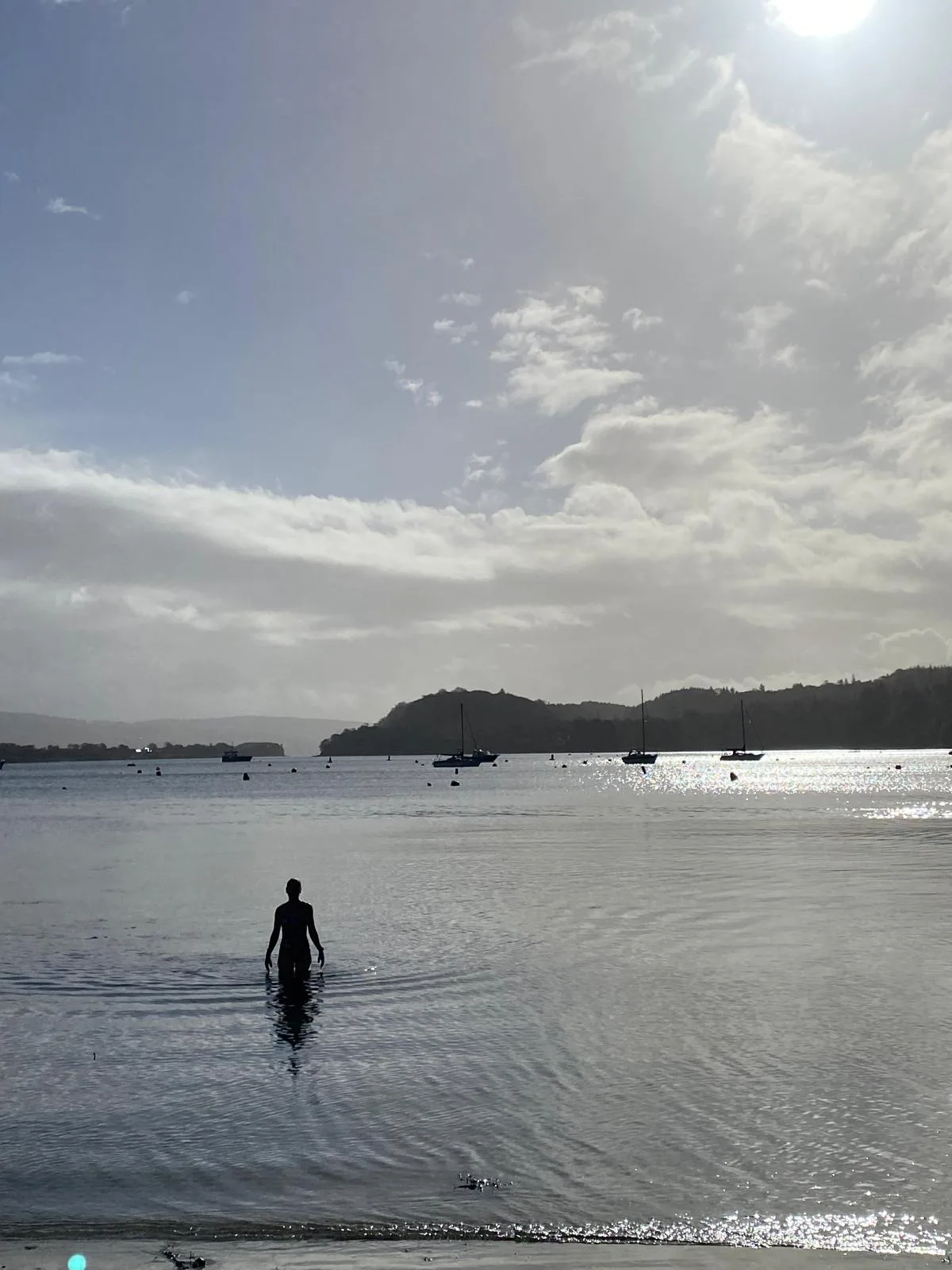 Tobermory Bay
Ten minutes in the sea looking out at the horizon, feeling the cold and just focusing on your breath – it quietens everything. It cuts through the noise. And in a busy life, that’s incredibly valuable.
People sometimes describe it as a bit like going to church. Not in a formal sense, but in the feeling of it. A shared experience. A sense of belonging. A moment of stillness in something bigger than yourself and once you’ve felt that, you want to come back to it.
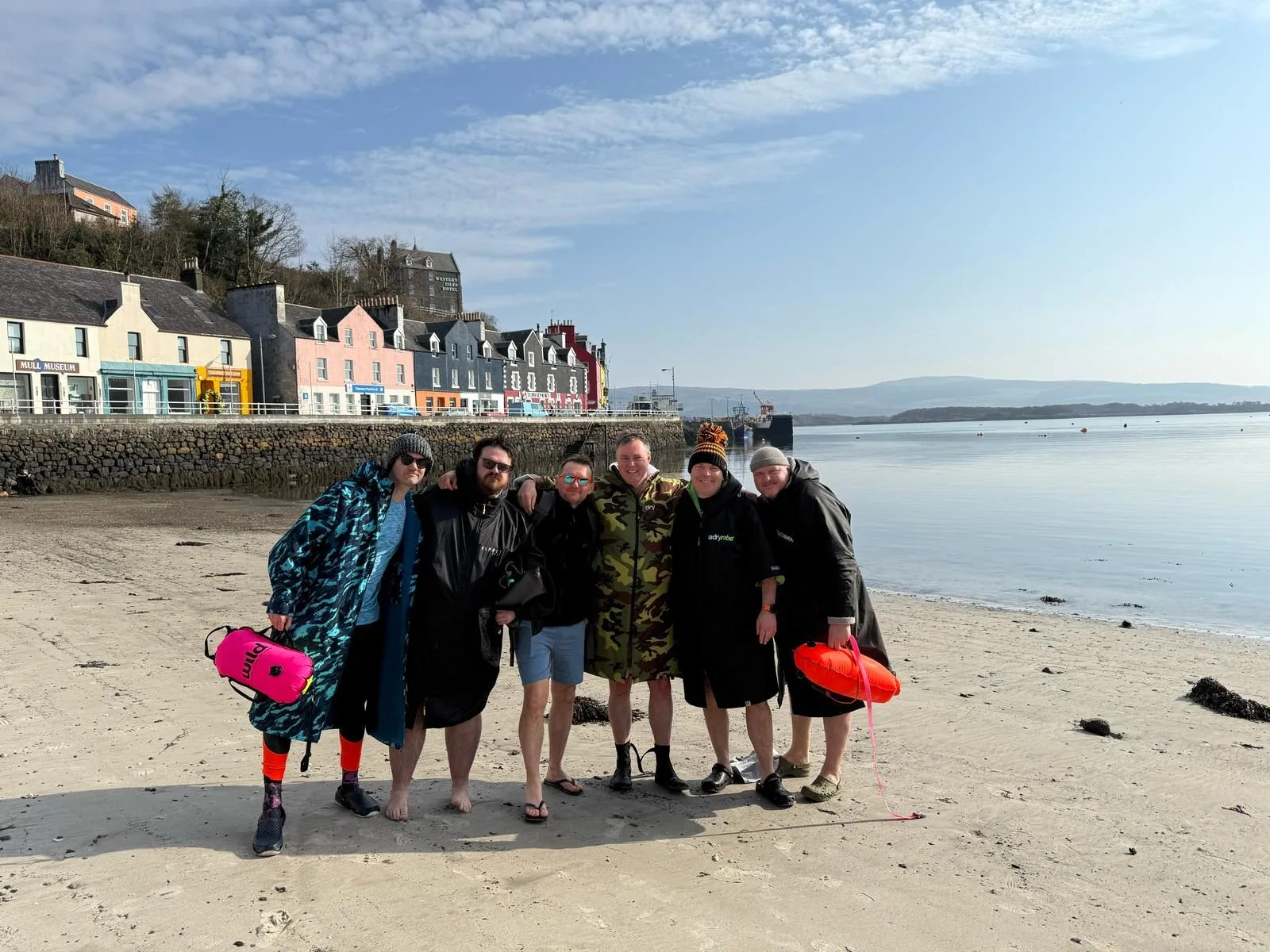 Sunday Mull Men’s Swim Shed
Maybe next time, you go a little further, stay in a little longer – you learn what works for you. That progression builds quietly but powerfully, and with it comes a real sense of accomplishment – doing something you didn’t think you could do, in a place you might never have imagined doing it. For many people, swimming in the sea in Scotland isn’t even on their radar. Until suddenly, it is.
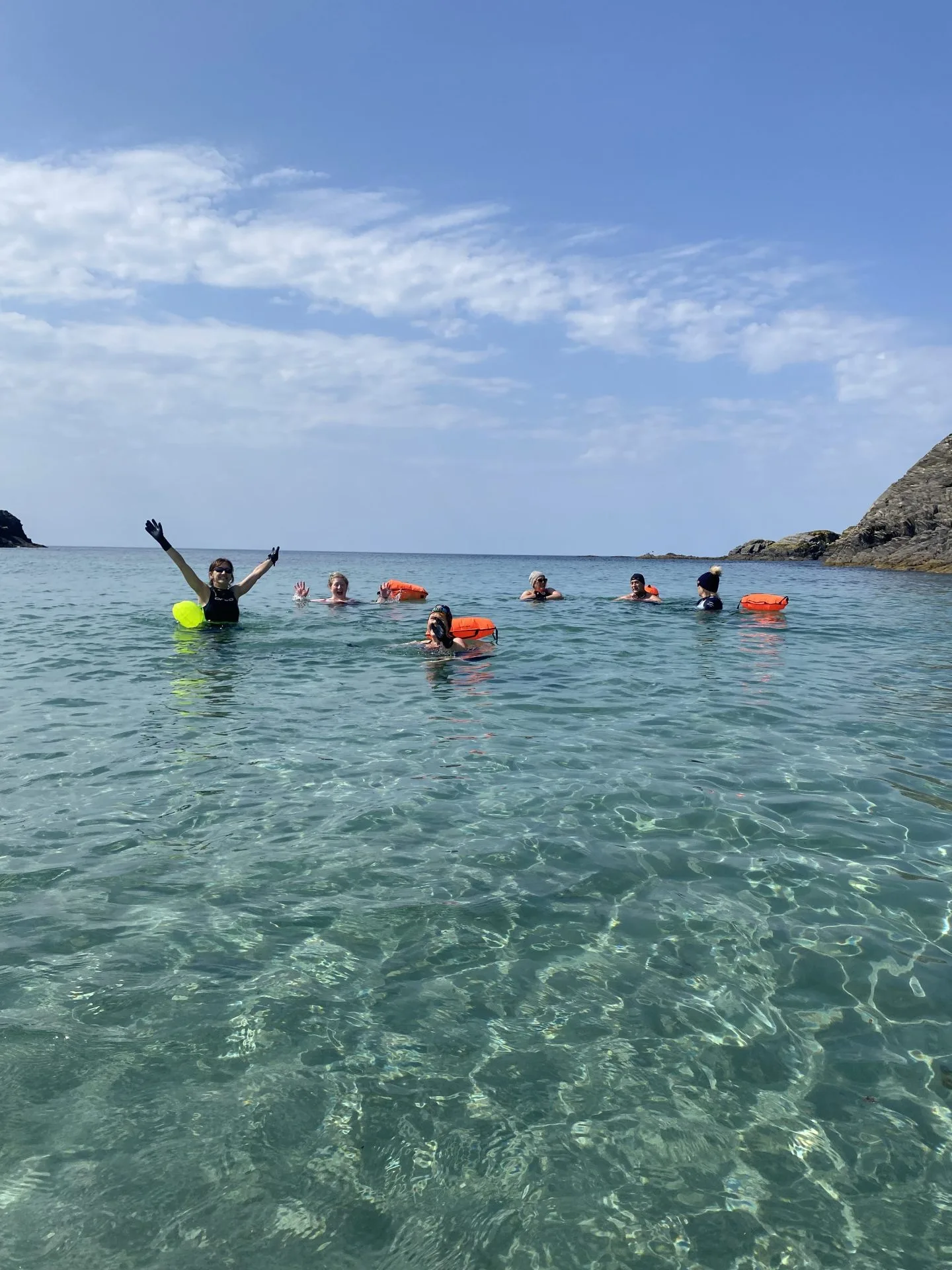 A community
And that’s really how I became a cold water swimmer. Not through bravado.
Not through some deep love of the cold but through a love of being in a landscape that carries time.
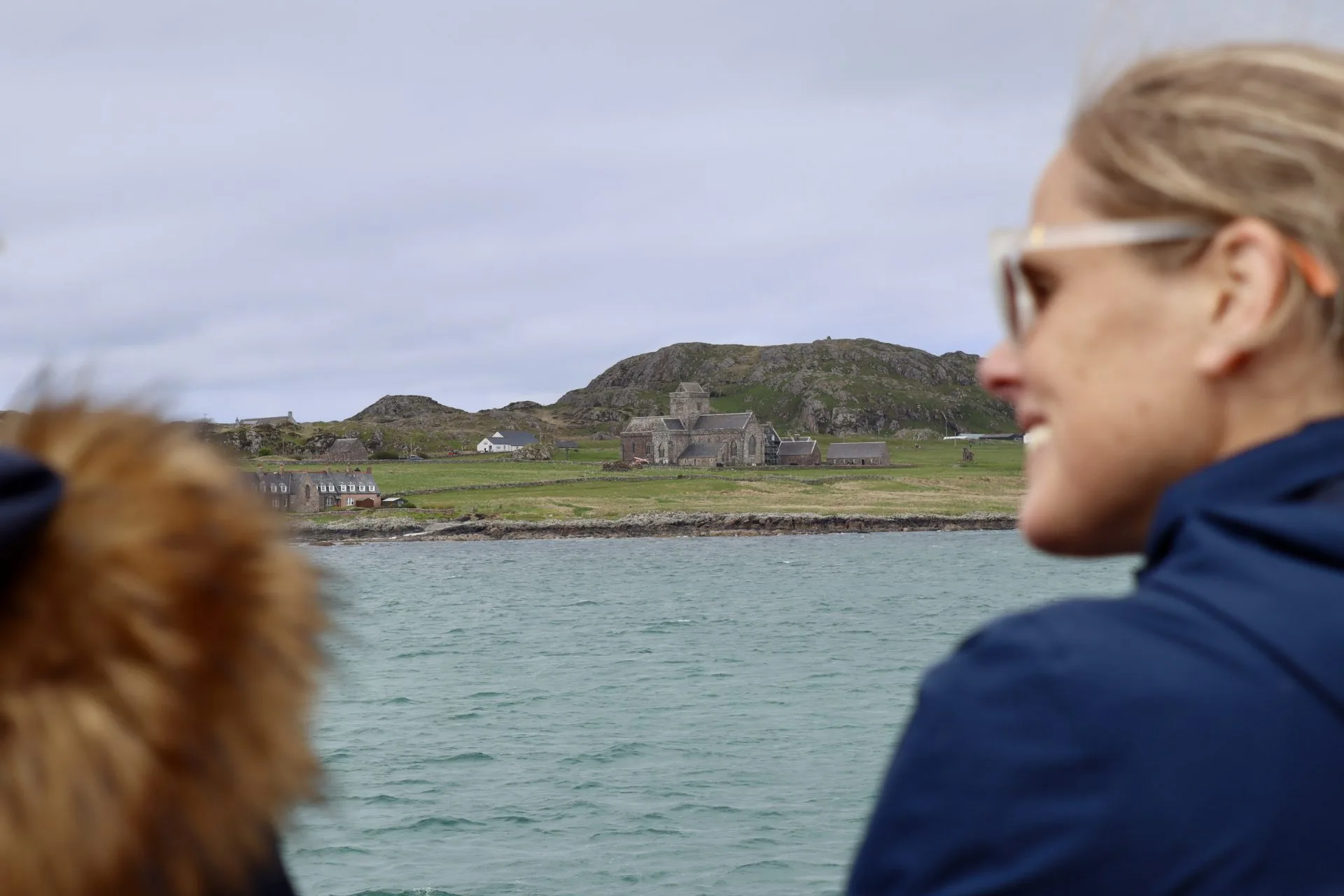 Crossing the Sound of Iona
The magic is in realising you’re capable of so much more than you thought.